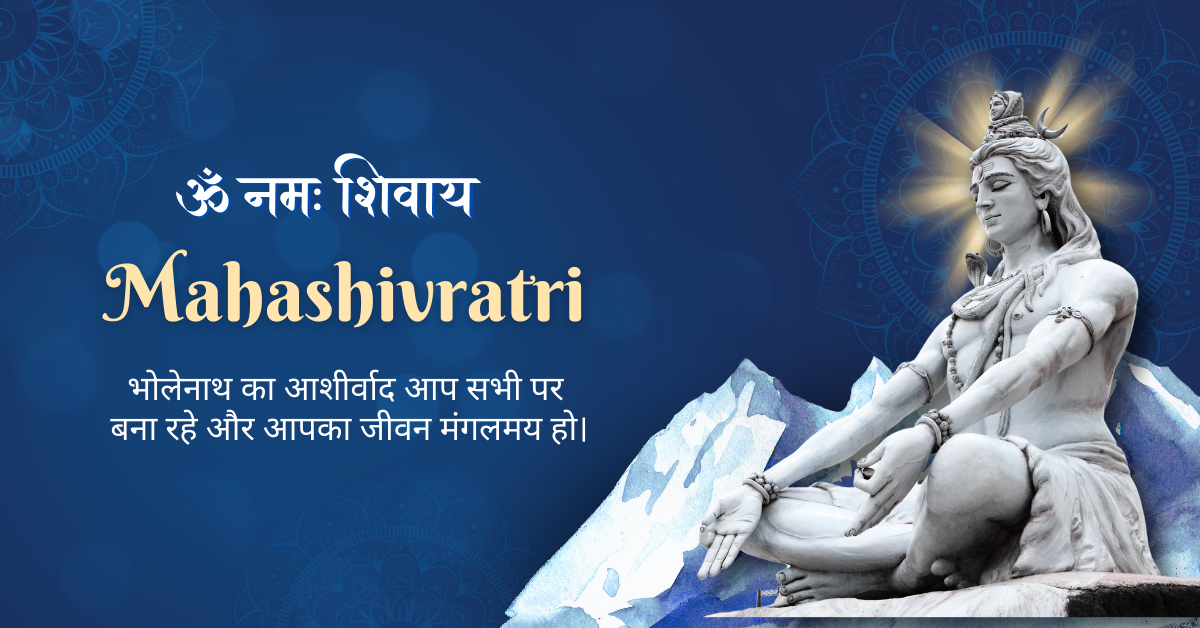
Maha Shivaratri is one of the most important Hindu festivals dedicated to Lord Shiva, the symbol of strength, balance, and transformation. Every year, millions of devotees across India and around the world celebrate this sacred night with prayers, fasting, temple visits, and meditation.
This special night is believed to be very powerful for spiritual growth. Many people use this time to clear negative thoughts, find inner peace, and ask for blessings for a better life. Maha Shivaratri is not only about religious rituals. It is also about self-control, positive thinking, and becoming a better person.
In 2026, Maha Shivaratri will be celebrated on Sunday, 15 February 2026.
This midnight puja time is considered the most powerful moment to worship Lord Shiva.
The word Maha Shivaratri means “The Great Night of Lord Shiva.”
It is believed that on this holy night, Lord Shiva showed his divine power to the world. Many people also believe this is the night when Lord Shiva and Goddess Parvati got married.
So, Maha Shivaratri is not just a festival. It is a spiritual night that teaches peace, discipline, and self-control.
You may ask — why do people stay awake all night and fast on this day?
Maha Shivaratri is celebrated to:
It is believed that worshipping Shiva on this night helps you overcome fear, stress, and bad habits.
Maha Shivaratri is known as a night of awakening. Spiritually, this night is very powerful. Many yogis and devotees say your mind becomes calm and focused during this time.
Even today, people use this day to reflect on their life and make better choices.
People celebrate Maha Shivaratri in different ways across India:
You don’t need a big setup to worship Lord Shiva. You can do simple puja at home:
Even a small prayer done with true faith is enough.
If you are fasting, you can eat:
Avoid grains, onion, garlic, and regular salt.
Staying awake is called Jagran. It helps you stay alert and aware of your thoughts.
Instead of sleeping, people use this time to pray, meditate, and think about improving their life.
Ask yourself when was the last time you slowed down and thought about your goals? Shivaratri gives you that chance.
Maha Shivaratri in 2026 will be celebrated on Sunday, 15 February 2026. It is observed on the Chaturdashi Tithi of the Phalguna month according to the Hindu calendar.
The Nishita Kaal (midnight) puja time for Maha Shivaratri 2026 is from 11:55 PM on 15 February to 12:56 AM on 16 February. This is the most auspicious time to worship Lord Shiva.
Maha Shivaratri is celebrated to honor Lord Shiva and seek his blessings for peace, health, and spiritual growth. It also marks the divine union of Lord Shiva and Goddess Parvati and represents the victory of good over negative energy.
The meaning of Maha Shivaratri is “The Great Night of Shiva.” It is a sacred night when devotees pray, fast, and meditate to connect with spiritual energy and improve self-discipline.
No, fasting is not compulsory. It is optional. Many devotees fast to show devotion, but even simple prayers and chanting with a pure heart are enough to observe Maha Shivaratri.
On Maha Shivaratri, devotees usually offer:
These offerings are made to the Shiva Lingam during puja.
People stay awake to perform Jagran, which means staying alert and focused. It is believed that staying awake and praying helps remove negative thoughts and increases spiritual awareness.
During the fast, people usually eat fruits, nuts, sabudana, curd, milk, and drink coconut water. Grains, onion, garlic, and regular salt are avoided.
Yes, Maha Shivaratri puja can be easily done at home. You only need a clean place, a diya, incense sticks, and to chant “Om Namah Shivaya” with devotion.
Maha Shivaratri is important because it teaches discipline, peace, devotion, and self-control. It also helps people reflect on life and focus on positive changes.
Since 1976. Pure Brass Pooja Articles & Kitchenware. Crafted with purity. Built to last. Trusted by generations of Indian homes.
Shri Dhanlaxmi Metal Industries
Baswan Galli, Cts No 4142/a/2, Hosur, Near Patson Agency, Belagavi, Karnataka – 590 003
Mob: +91 8296221234
Mob: +91 831 2488376
Email: sales@dmimart.in

No products in the basket.
No products in the basket.